Smart Home technology

Designing smarter
smart homes

I carefully investigate human experience, behavior to distill insight, and inspire clients to address users’ needs through user-centered design.

Designing smarter
smart homes

I carefully investigate human experience, behavior to distill insight, and inspire clients to address users’ needs through user-centered design.
Video interviews
0
usability tests
0
UX research
0 %
The project investigated the active users of smart home technology and the concept of accompanied technical communication and professional installation as a service to provide. The objevctive of the research was to explore the users in their living environment to understand their needs, motivations, and challenges involved with smart home technology. The project was designed with a User-Centered Design perspective on smart home technology consisting of 11 video interviews and 4  usability evaluation performances. 


“Great research breeds great design”

lille_computer
JJ

Problem statement

What are the motivations, barriers, and enablers influencing the adoption of smart home technology?

What are the motivations, barriers, and enablers influencing the adoption of smart home technology?

1. User perspectives

Is there a need for professional installation and technical communication? And can it have an impact upon the acceptance of smart home technology?
2. Product Design

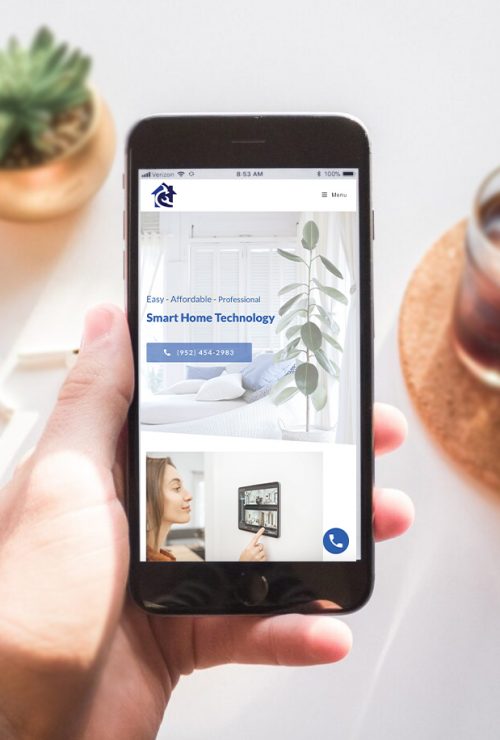
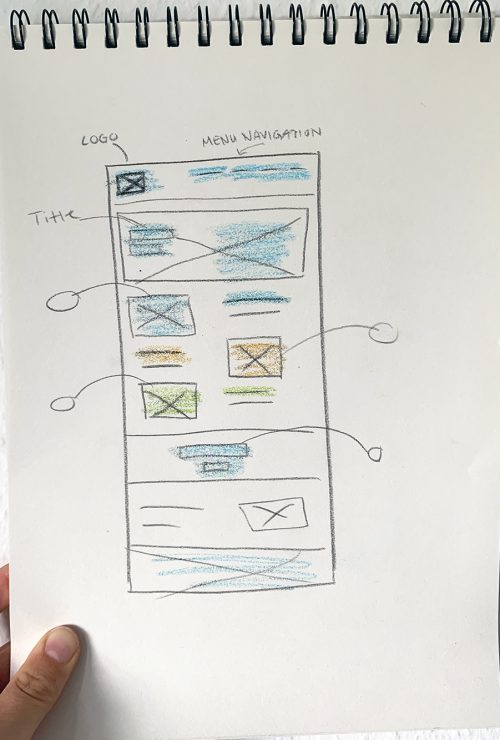
How can these insights be translated into a webpage for the contributory company?

User-Centered Design

The User-Centered Design (UCD) can be described from different perspectives ranging from a psychological perspective to a more commercial related perspective. The design process was inspired by IDEO and the Institute of Design at Stanford University. IDEO embraces human-centered design as an approach to problem-solving, with the idea of designing solutions rooted in the needs of the people to design for. Stanford dschool defines the user-centered design process, as a mindset to see and learn from the users, to uncover insights and guide innovation efforts. User-centered design was be used to involve the users as a key element to drive innovation.

Affinity Diagram

Post-it notes
100

Thematic Analysis

Identified themes
0

Usability Test

Performed tests
0

A total of 11 rapid ethnographic video interviews were conducted in Minnesota, United States. The methods used involved the Affinity Diagram for organizing the data, and the Applied Thematic Analysis for identifying themes of significance for the webpage. A total of ten usability tests were conducted for evaluation of the webpage. A total of 5 themes emerged from the applied thematic analysis by creating a codebook. The process of coding enabled a comparison of the themes revealing the degree of significance among the themes. The theme communication was the most frequently coded, followed by the theme education. While the themes installation, learnability, and personalization were mentioned by the most participants. As a result, these themes were significant for the creation of the communicative construction of information for the webpage.

Results Recap

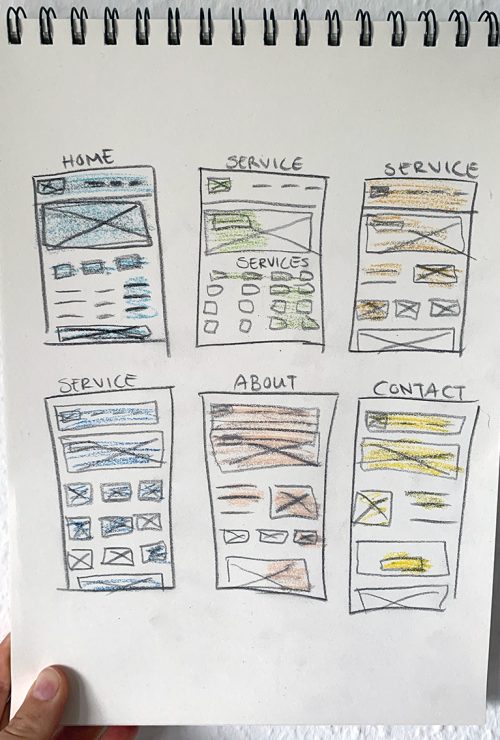
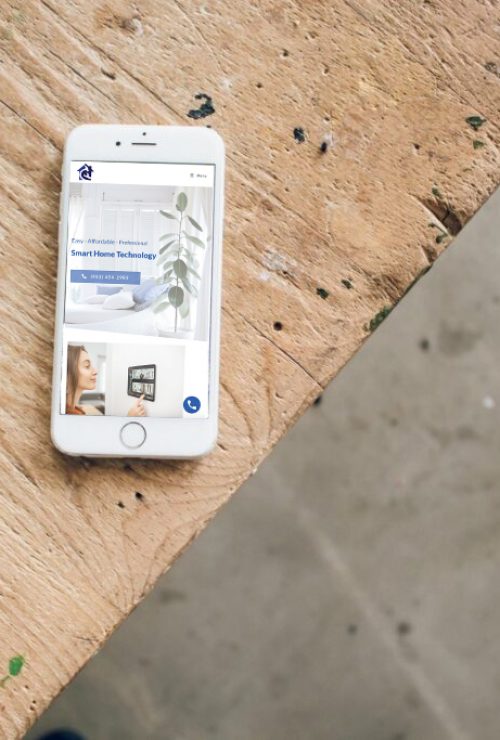
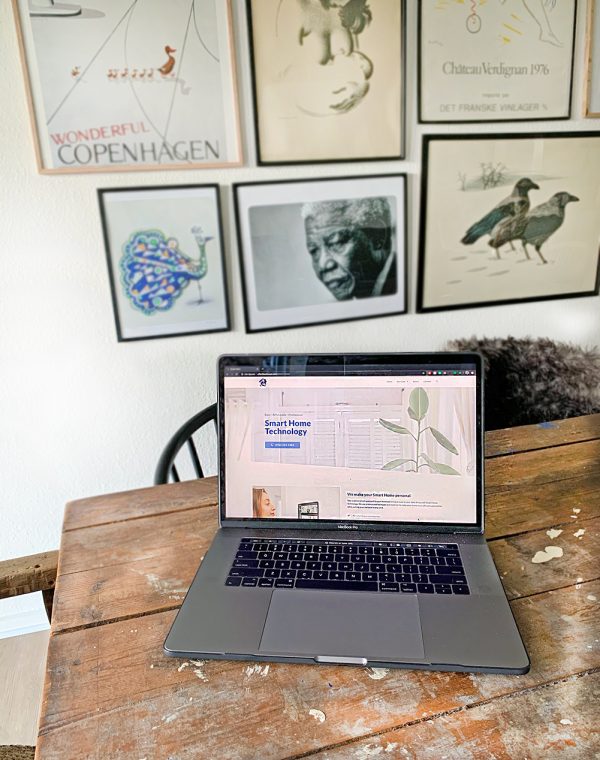
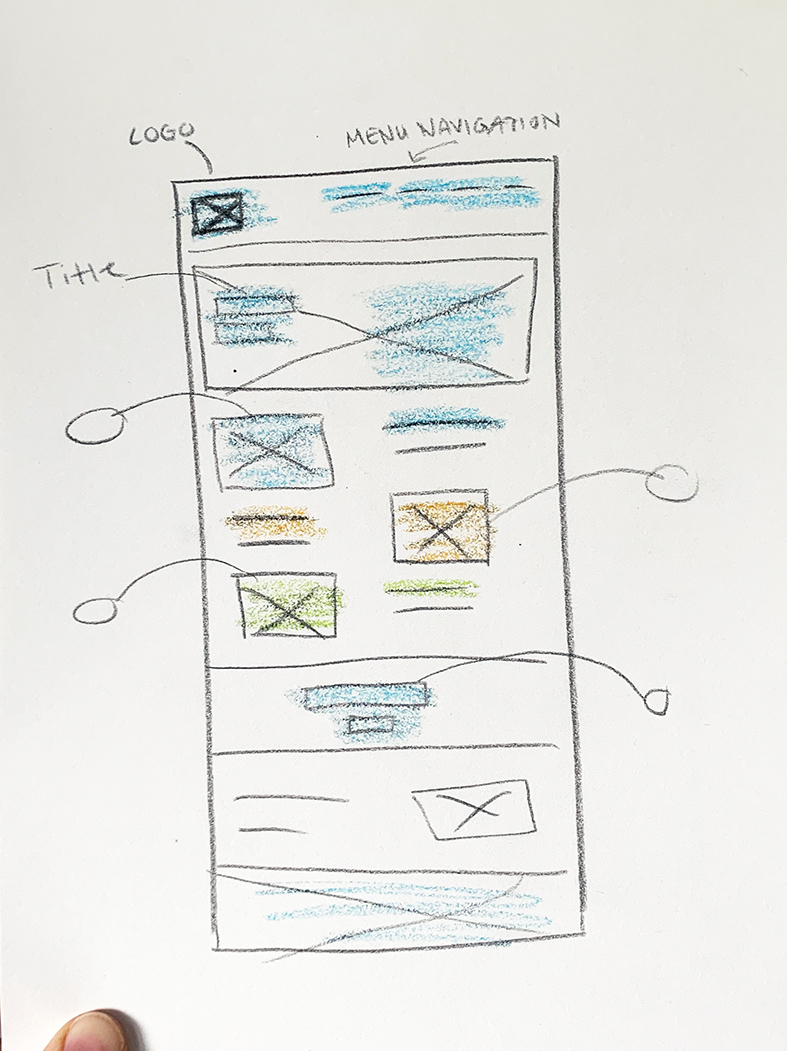
As a result, these core themes were identified as the most significant factors influencing the adoption of smart home technology. The themes were conveyed as milestones for the webpage, representing the communicative construction of information. The usability tests revealed some final adjustments of the headlines and images on the webpage.

Final Product

Let's Connect!

I am very excited to hear back from you

Fuel your brand and drive results with me as your UX Researcher


Copyright © 2021 Stine Bjorn. All rights reserved.